Every few Saturdays, a handful of regulars pull into the lot at 27601 Casta Del Sol before the sun clears the hills behind Lake Mission Viejo. They are not there because Oso Creek Golf Course is cheap. They are there because they booked at 5 a.m., eight days ago, and everyone else is still working with a shorter runway.
That distinction matters more than most people realize, and it points to something Mission Viejo residents tend to get backward about their own municipal course. The assumption is that a city-owned course means a city-subsidized deal. At Oso Creek, that is not how it works. The course pays for itself, and the actual edge of being local isn't a lower price. It's a head start on the clock.
A creek-fed course with an unlikely pedigree
Oso Creek sits just below the lake, tucked into a stretch of Mission Viejo most drivers pass without noticing. It was designed in 1970 by Ted Robinson, and the layout still reflects that era's preference for working with terrain rather than flattening it. Underground springs and mountain runoff feed two streams that thread through nearly every hole across the course's 3,760 yards, which is why regulars describe it less as a flat suburban muni and more as a quiet detour from the rest of Orange County.
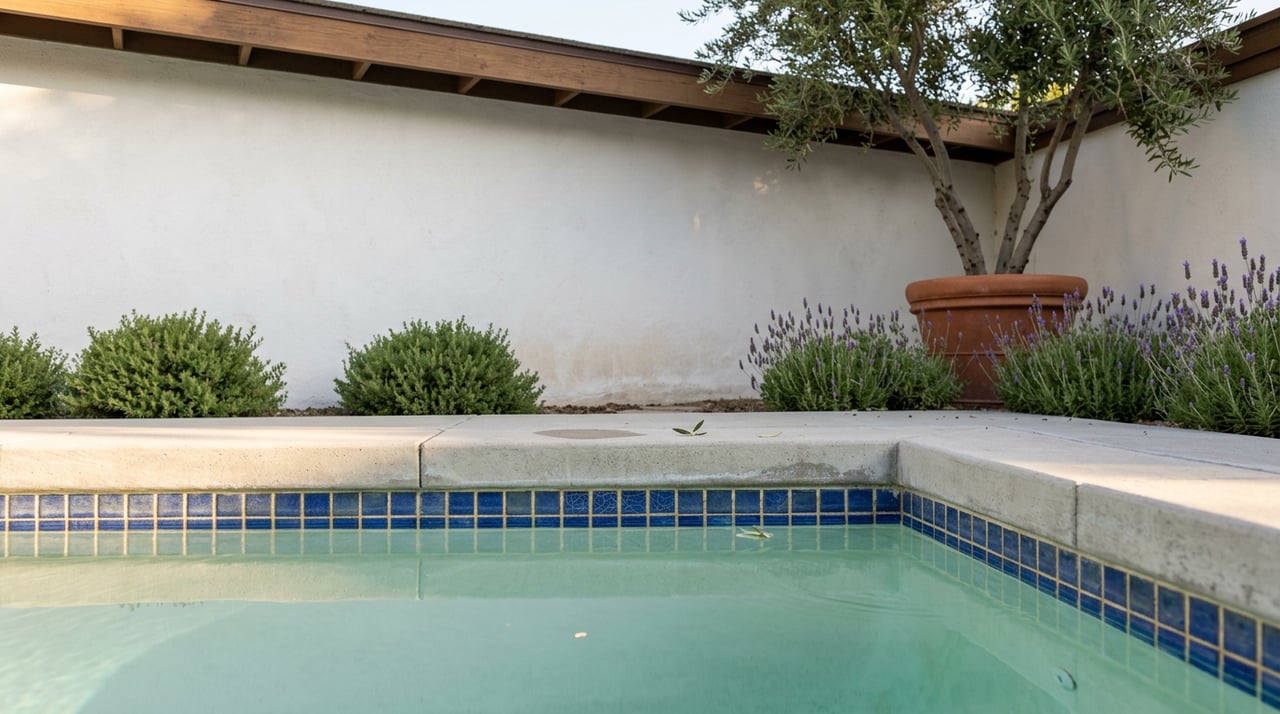
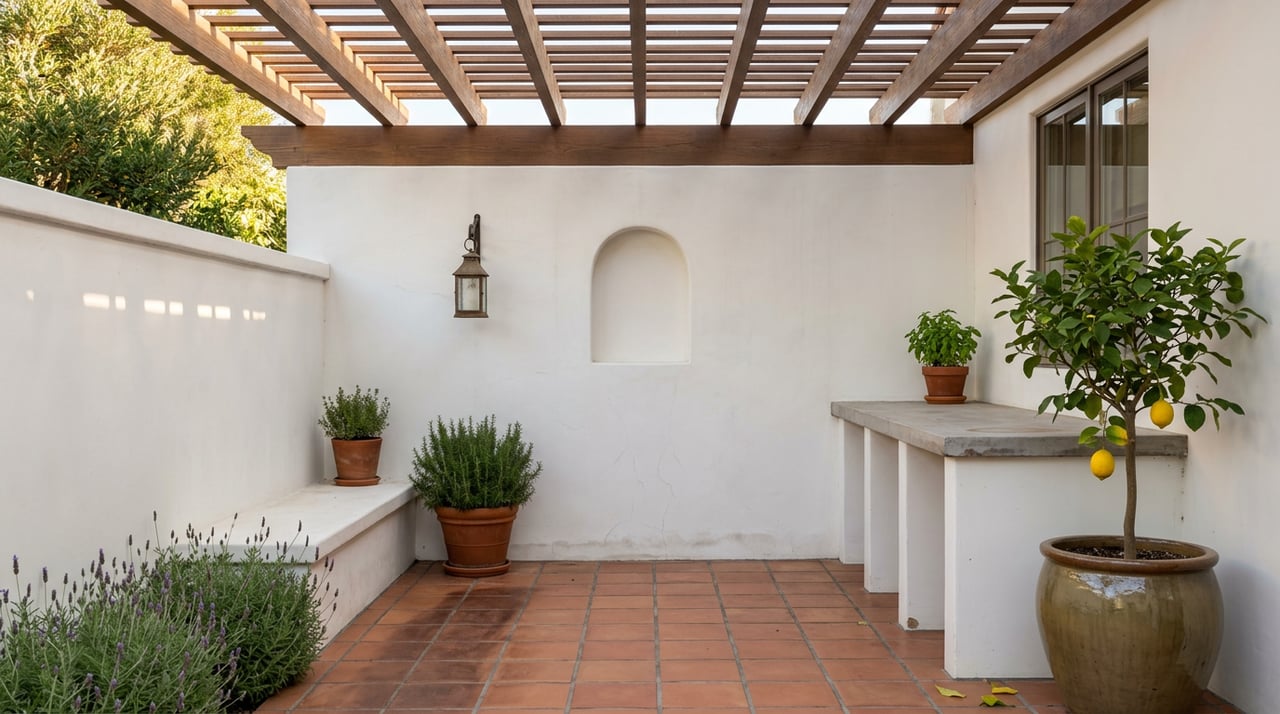
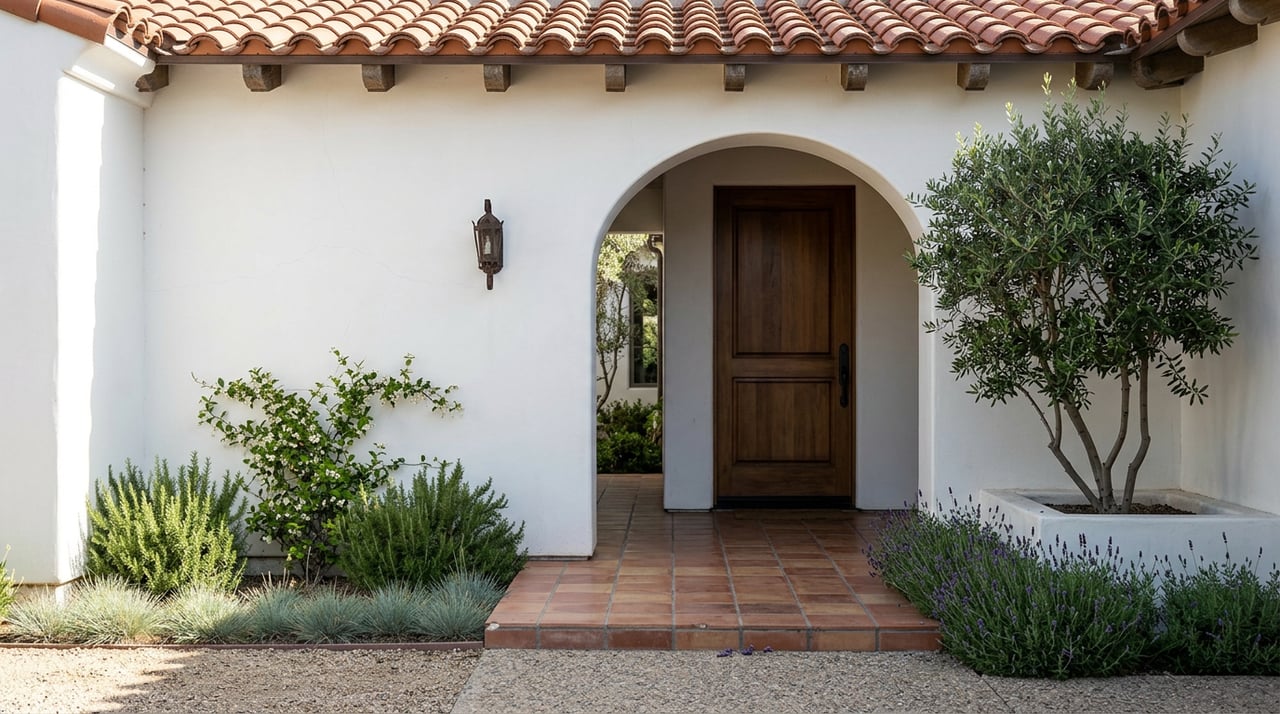
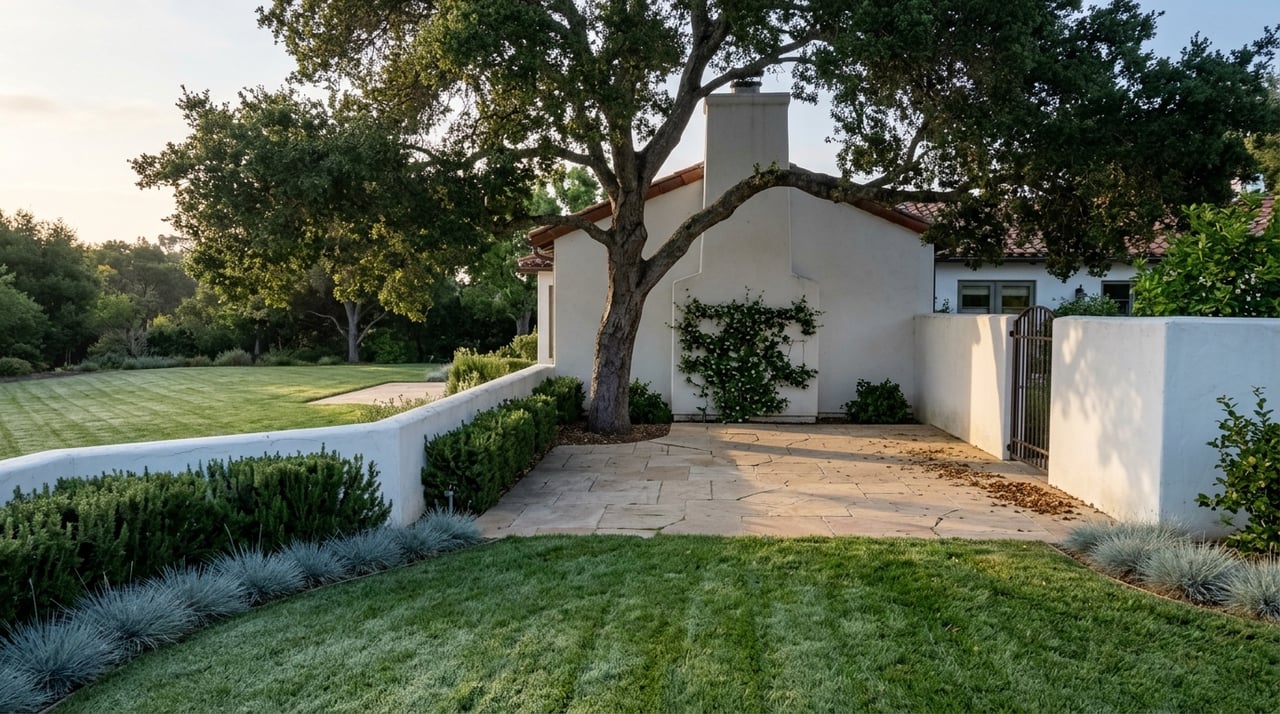
It plays as an executive course, shorter than a standard 18, which is part of why it has become the kind of place people fit into a Wednesday morning rather than reserve for a full day. The clubhouse got an Andalusian-style refresh at some point in the city's ownership, all arches and warm stucco, which fits the same architectural instincts you see up and down this part of South County. It is not trying to be a resort. It is trying to be a course you actually use.
The city bought a golf course to keep it a golf course
In 2019, the City of Mission Viejo acquired what was then called Casta Del Sol Golf Course. Combined with the open space running along Oso Creek between Casta Del Sol Road and Jeronimo, the purchase gave the city more than 200 acres of contiguous public land in the middle of town. The stated goal was straightforward: keep that acreage as recreation and open space rather than see it redeveloped.
That framing shaped everything that came after, including a multi-year Vision Plan process that ran through public workshops and a Planning and Transportation Commission presentation before landing in front of the City Council. Some of the debate got specific and a little contentious, including pushback from longtime golfers worried that reshaping certain holes for a possible walking trail would turn an executive course into a glorified pitch-and-putt. That planning process played out mostly in 2020 and 2021, so it is not breaking news, but it tells you something useful about how residents think about this piece of land: not as filler acreage, but as a course worth arguing over.
Public course, private-sector economics
Here is the part that surprises people. Most municipal golf courses lean on the city's general fund to cover maintenance and payroll when green fees fall short. Oso Creek does not. The city has been explicit that improvements at the course, from new carts to clubhouse work, come out of revenue the course itself generates, not property tax dollars.
That model cuts both ways for residents. On one hand, nobody's tax bill is propping up a golf course they might never play. On the other hand, it explains why Mission Viejo residents don't get a discounted round the way they might at some other cities' courses. When rates came up for public comment, the city's own response noted that fees were set to stay competitive with the regional market, not marked down for local ID holders. One longtime local golfer made the comparison directly on the city's own site, pointing out that Oso Creek's rate ran higher than what a resident could pay for a full 18 holes at a better-known muni over in San Clemente. The city's answer amounted to: the course has to cover itself, so the price reflects that.
If you came into this expecting a hometown discount, that's the correction worth sitting with.
The value of living here isn't a cheaper round. It's getting to the tee sheet before anyone else does.
What residents actually get: a five-hour, one-day jump
The real local advantage at Oso Creek is procedural, not financial, and it is worth knowing exactly how it works if you golf here with any regularity.
Non-residents can book a tee time starting at midnight, seven days before the date they want to play. Mission Viejo residents get to book at 5 a.m., eight days out, a full day earlier and hours ahead of the general release. To use it, you need to register in person at the Creek Shoppe, the course's pro shop, with a Mission Viejo ID and a current utility bill as proof of residence. Once you're set up, you can book up to four players per session, though the resident who books has to actually show up and play with the group. It's not a coupon you can pass along.
For a course that fills up fast on weekend mornings, that extra day and those extra hours are the difference between an 8 a.m. tee time and whatever's left by mid-afternoon. If you golf here more than a couple of times a month, registering at the Creek Shoppe is worth the ten minutes it takes.
Wednesday mornings belong to the regulars
Ask around long enough and you'll hear about the Oso Creek Senior Men's Golf Club, open to players 55 and older, who claim a block of tee times roughly from 6:40 to 10:20 every Wednesday morning. They play a different format each week, sometimes individual scoring, sometimes teams, and run three major club championships a year with an awards dinner to close each one out. It's the kind of standing arrangement that only exists at a course people treat as their own, not a stop on a rotation.
That's a useful signal for anyone deciding whether Oso Creek fits their week. This isn't a course built around tourists or one-off outings, even though it does host tournament groups and office retreats. Its rhythm is set by the people who show up on the same morning, year after year.
Where the course opens back onto the neighborhood
Part of what makes Oso Creek feel woven into daily life here, rather than bolted onto it, is the connection to the Oso Creek Trail. The city has worked over the years to grade and maintain the dirt trail linking the course to the broader path system, which means a round here can turn into a walk afterward without ever getting back in the car. Grab something off the clubhouse menu, which has run chorizo-and-shrimp and fish and chips in recent seasons, and you've got a full Saturday built around a few hundred yards of Mission Viejo most people only see from the road.
That's the version of Oso Creek locals actually experience: not a hidden gem waiting to be discovered, but a course whose real value only shows up once you understand how the city runs it and how to work the system that comes with living here.
If you're weighing what a home near amenities like this is worth in today's market, or you're just curious what your Mission Viejo property could fetch given how much the neighborhood's day-to-day life has to offer, the team at Shepherd Real Estate Team knows this stretch of South Orange County block by block. Get Your Free Home Valuation and find out where you stand.