Two sellers list nearly identical four-bedroom homes off Marguerite Parkway in the same week. Both price at $1.15M. Both go into contract in under two weeks. One closes on time at full price. The other loses the buyer at day 12 over an inspection report, relists, and eventually closes $47,000 lower with a $9,000 credit stacked on top.
The difference was not luck. It was that one seller knew what era their house was and priced the era-specific defects into their pre-listing prep. The other let the buyer's inspector find them first.
If you own a home in Mission Viejo and you are thinking about selling in the next twelve months, the year on your property record is the single strongest predictor of what will show up in your escrow inspection. Here is why, and here is what to do about it.
Why Mission Viejo has an "era signature" almost no other OC city has
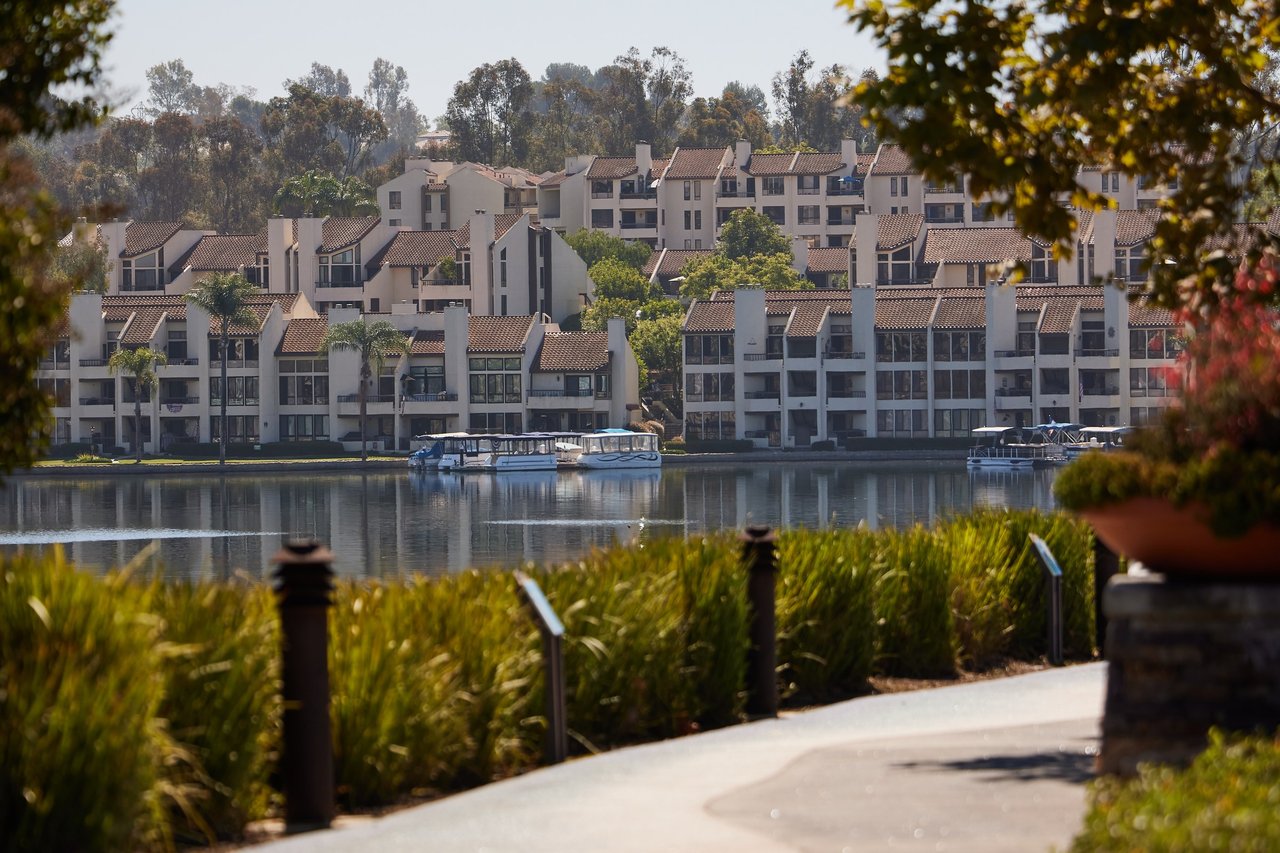
Mission Viejo is not a patchwork of infill built out over sixty years. It was acquired by Philip Morris in 1970, and the Mission Viejo Company built through the 1970s and 1980s so aggressively that entire tracts sold out before construction began, with the original master plan completed by 1993. Local inspectors summarize the resulting housing stock bluntly: the city was master-planned starting in 1965 with construction continuing through the 1990s, and most of the housing stock falls between 1970 and 1995, wood-framed, stucco, with composition or tile roofing and clay or PVC sewer lateral depending on era. The city's own housing element reports that a large portion of the city's housing units, roughly 42%, were built during the 1970s.
That concentration matters because construction defects and material failure modes cluster by decade. When 42% of the stock came out of the ground during a single ten-year window, the same handful of findings appears in escrow after escrow across the city.
The Mission Viejo listing that closes clean is not the one with no problems. It is the one whose seller knew what problems to expect and handled the era-appropriate ones before the buyer's inspector arrived.
What a buyer's inspector expects to find, sorted by your build year
Below is the pattern local inspectors and plumbers describe most often. Your exact tract will vary, but this is the shortlist a competent buyer's agent will steer their inspector toward the moment they see your year built.
Build era | The findings that recur | Why it matters at closing |
|---|---|---|
1965 to 1979 | Galvanized steel supply lines, Zinsco or Federal Pacific panels, aluminum branch wiring, original cast iron drain stacks | Panel and repipe requests routinely stall financing and insurance binding |
Late 1970s to 1980s | Thin "Type M" copper reaching end of life, polybutylene supply lines, original tile roof underlayment, aging cast iron drains | Slab leaks and pinhole leaks are common, and buyers ask for sewer scopes |
1985 to 1995 | Tile roofs at end of original underlayment, aging HVAC, first-generation dual-pane windows, pool and spa equipment past service life | Roof underlayment credits often run five figures |
The plumbing patterns are not theoretical. Local plumbers report that homes built in the 1970s and 1980s in Mission Viejo often feature thinner "Type M" copper piping now nearing the end of its lifespan, and that corroded galvanized steel pipes are common in pre-1980s homes, along with slab leaks, low water pressure, and polybutylene pipes that were popular in the 1980s and 1990s and are prone to failure.
Electrical panels are the other predictable escrow event. Zinsco panels were popular from the 1970s through the mid-1980s and at the time seemed like quality products, but decades of use revealed serious design flaws that make them a safety hazard in homes today. In Mission Viejo terms, that translates directly to a buyer credit request or, in the tighter insurance market of 2026, an outright condition of loan approval.
The finding sellers underestimate the most: pre-1985 cast iron drains
Trident Inspection Group, which covers Mission Viejo from the original tracts through Pacific Hills, lists original cast-iron drain stacks in homes built before 1985 as one of the top recurring findings in the city. This one deserves its own paragraph because it is the finding most sellers do not think to check before listing.
A cast iron drain stack looks fine from the outside. It is only when a buyer's inspector runs a sewer scope camera down the lateral that scaling, cracking, or partial collapse becomes visible. On a house that inspected clean on plumbing supply, electrical, and roof, a bad sewer scope can still cost $8,000 to $15,000 in credits, or kill the deal outright if the buyer's financing does not support the repair reserve. A pre-listing sewer scope costs roughly $150 to $300 and gives you the information before the buyer's negotiator does.
The east side wildfire wrinkle almost no seller factors in
If your home sits east of the 5 in Pacific Hills, Aurora Heights, or the higher elevations toward Cleveland National Forest, there is now a second layer of "era-specific" prep. Most of eastern Mission Viejo is in a Cal Fire Moderate, High, or Very High Fire Hazard Severity Zone, California's Safer From Wildfires regulation requires admitted insurers to credit specific mitigation measures, and a documented home-hardening inspection lets your carrier apply those credits or qualify you for renewal.
Translation for sellers: your buyer's insurance quote is now part of your escrow. If they cannot bind coverage, or if the quote comes back three times what they underwrote in their offer, the deal wobbles. Handing a buyer a documented home-hardening inspection at listing is one of the cheapest ways to protect your escrow timeline in a hillside neighborhood.
The math sellers get wrong
The instinct to list as-is and negotiate is understandable. It feels like keeping optionality. The Mission Viejo escrow data tells a different story. When era-appropriate findings show up on the buyer's inspection instead of the seller's pre-listing report, three things happen at once:
- The buyer's agent frames the credit request against retail contractor pricing, not the wholesale pricing you would have paid a licensed plumber like Dymek's Freedom Plumbing or an electrician on a scheduled job.
- The credit is negotiated against a buyer who is now emotionally braced for problems and looking for more.
- The timeline slips, which in the current Mission Viejo market matters. Homes in Mission Viejo receive 5 offers on average and sell in around 31 days over a recent three-month window, and re-marketing a home after a buyer walks costs you the first-two-weeks-of-listing momentum that drives price.
The pre-listing alternative flips all three. You pick the contractor. You control the scope. You show up to the buyer's inspection with a paid invoice for the panel, the sewer scope, the underlayment patch, and a home-hardening report if you are east of the 5. What is left for the buyer's inspector to find is cosmetic.
For sellers with equity but limited cash, the Compass Concierge program can front the cost of the era-appropriate repairs and stage the home, with the balance paid at closing. That structure exists precisely for the Mission Viejo owner who bought in 1998 for $340,000, has substantial equity locked in the home, and does not want to write a $12,000 check to a plumber before listing.
A pre-listing checklist by build year
- Built 1965 to 1979: electrical panel evaluation, sewer scope, supply line inspection, roof certification, home-hardening inspection if east of the 5.
- Built 1980 to 1989: sewer scope, supply line inspection with attention to Type M copper and polybutylene, roof underlayment assessment, HVAC service records.
- Built 1990 to 1995: roof underlayment assessment, HVAC and water heater age documentation, pool and spa equipment service, dual-pane window seal check.
The City of Mission Viejo Building Services division, reachable at 949-470-3054, can confirm permit history on prior repairs so you can present a clean paper trail to the buyer's underwriter.
Frequently asked questions
Does a pre-listing inspection have to be disclosed to buyers? Yes. California requires that material facts known to the seller be disclosed. The upside is that you disclose alongside receipts showing the work is done.
Will replacing a Zinsco panel guarantee a smooth escrow? No, but it removes one of the two most common financing and insurance blockers on pre-1985 Mission Viejo homes. Aluminum branch wiring, if present, is a separate remediation.
Is a sewer scope worth it on a 1990s home? On a 1990s Mission Viejo home with PVC lateral, usually not required. On anything built before 1985, it is the single highest-return inspection you can pay for.
Ready to price your era-specific prep into the plan
Selling a home built between 1970 and 1995 in Mission Viejo is not a guessing game. The findings are predictable, the fixes are scoped, and the sellers who handle them before listing keep the money the other sellers hand back in credits. The Darren Shepherd Team will walk your home, flag the era-appropriate items, price the pre-listing work against the likely buyer credit, and, where it makes sense, structure the prep through Compass Concierge so nothing comes out of pocket until closing.
Get Your Free Home Valuation and a pre-listing inspection plan built around your build year.