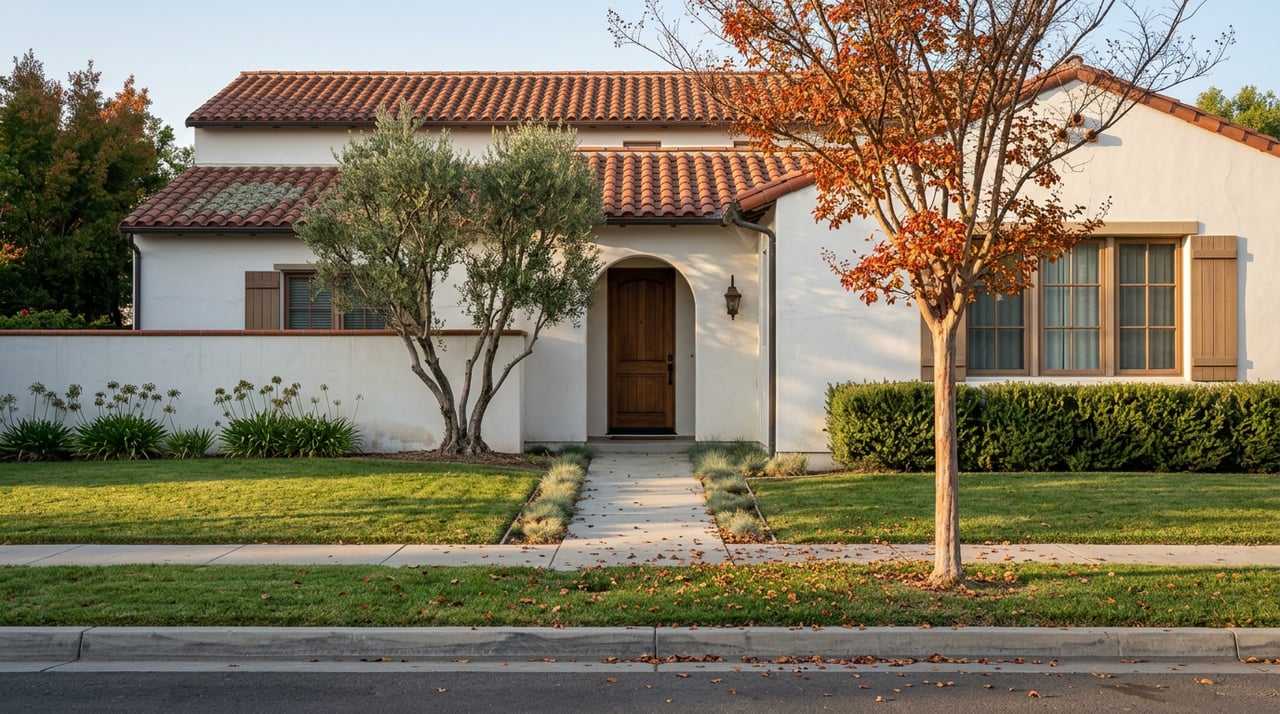
A Mission Viejo seller lists a four-bedroom in Casta del Sol with owned solar as a bragging point in the listing description. Two weeks later, a different seller two streets over lists a similar home with leased solar, mentions the "low monthly payment" the panels created, and watches the deal stall in escrow when the buyer's lender asks a question nobody prepped for. Same neighborhood. Same rooftop technology. Completely different outcome.
The difference has nothing to do with panel brand, roof pitch, or even whether the system is owned or leased. It comes down to one date almost no one checks before listing: the day Southern California Edison actually turned the system on.
The date that matters isn't the one on your solar contract
Homeowners who signed solar agreements between roughly 2020 and early 2023 were shown savings projections built on the old net metering rules, where exported power was credited close to retail rates. Those projections held up only if the system received Permission to Operate, the formal sign-off from SCE that flips the switch, before California's Net Billing Tariff, known in the industry as NEM 3.0, took effect in April 2023. Once NEM 3.0 kicked in, export credits fell by roughly 75 to 80 percent almost overnight.
Here's the part that catches sellers off guard: the legally and financially significant date isn't when you signed the paperwork. It's when SCE granted that Permission to Operate. A Mission Viejo homeowner who signed a contract in early 2023 but didn't get PTO until that summer is running under NEM 3.0 economics today, even though the sales pitch they sat through was calculated on NEM 2.0 numbers. Sunrun alone, the largest residential solar company in the country after its acquisition of Vivint Solar, holds contracts on hundreds of thousands of California rooftops, including a meaningful share in Mission Viejo. Many of those systems are quietly underperforming the savings story that got the homeowner to sign in the first place.
That gap doesn't matter much while you're living in the house. It matters enormously the moment you ask a buyer to assume the lease.
What buyers are actually checking before they say yes
A buyer touring a Mission Viejo home with an assumed solar lease isn't taking the seller's word for the monthly savings anymore. They're asking for the true-up bill, the annual statement that reconciles what SCE actually billed against what solar was supposed to offset. When that number doesn't match the pitch baked into the listing, buyers push back, and a meaningful share of them nationally, roughly one in five by some estimates, simply refuse to assume the lease at all. In competitive California submarkets, that refusal rate runs even higher.
This is the friction that's actually killing deals, not the presence of solar itself. A system performing on its original promise is a selling point. A system quietly reset to NEM 3.0 economics without anyone updating the pitch is a liability that surfaces in the buyer's own utility research, usually after they've already fallen for the house.
Even when a buyer is willing to assume the lease, the process itself adds time most sellers don't budget for. The buyer completes a transfer of ownership form and a credit application with the solar company, which typically wants to see a credit score in the high 600s or better before approving the transfer. The lender separately needs assurance that the system carries a transferable warranty, since an unwarrantied system tied to the mortgage payment is its own kind of risk. Approval can take about two weeks, which is enough to extend a closing timeline if it isn't flagged early.
A leased solar system doesn't sink a Mission Viejo sale. A leased system whose real performance no longer matches what the seller believes it does is what sinks it, usually in week three of escrow, not at the open house.
The other trap: what happens if you need a new roof
Mission Viejo's housing stock splits fairly cleanly by era. Newer tracts run heavily to concrete tile, while older streets still carry aging composition shingle. That split creates a sequencing problem that has nothing to do with NEM tiers and everything to do with timing.
If solar goes on before a roof reaches the end of its life, and that roof later needs replacement, removing and reinstalling the panels to get underneath them typically runs another $3,000 to $5,000 on top of the reroof itself. Sellers who installed solar years ago without checking roof condition first sometimes discover this the same week they're trying to get a home show-ready, which is the worst possible time to learn a $19,000 solar investment just turned into a $23,000 one.
| Sequencing | What it costs you |
|---|---|
| Reroof completed, then solar installed | Standard reroof price only |
| Solar installed, reroof needed later | Reroof price plus $3,000 to $5,000 for panel removal and reinstall |
| New system installed on an aging roof with no reroof plan | Deferred cost that surfaces at the worst possible moment, usually pre-listing |
Mission Viejo does streamline the permitting side. The city has adopted SolarAPP+, which lets a compliant residential system clear automated code review and pull a permit the same day through the city's portal. That speed is real, but it only covers the permit. It says nothing about whether your roof should have been replaced first, and it says nothing about your HOA, since most of the city's master-planned communities, Casta del Sol and Canyon Crest among them, require a separate architectural submittal before panels go up regardless of how fast the city moves.
The clock nobody mentions until it's too late to use
If you're weighing whether to add owned solar before you list, there's an actual deadline attached to that decision. California currently excludes the added value of a new solar or solar-plus-storage system from your property tax assessment, but only if the system is operational before January 1, 2027. Miss that date and a new system's value gets folded into your assessed value like any other improvement, changing the tax math for whoever owns the home next.
Layer that on top of the federal side: the 30 percent residential clean energy credit that used to make new installations meaningfully cheaper ended for any system placed in service after December 31, 2025. A Mission Viejo homeowner installing new owned solar in 2026 is already doing so without that credit. The property tax exclusion is the one incentive still standing, and it has a hard date attached to it.
For sellers, that means the "should we add solar before we list" conversation isn't just about resale appeal anymore. It's a real deadline that closes at the end of this year.
What to pull before you list
- Your system's Permission to Operate date and NEM tier, available from your solar provider or SCE account history
- Your last 12 months of true-up bills, so you can speak to actual performance rather than the original sales projection
- Written confirmation of whether the system is owned, leased, or under a PPA, since each path has a different buyer conversation attached
- A buyout or Net Present Value quote from your solar provider if the system is leased, so you know your number before a buyer asks for one
- A roof inspection before any solar-related decision, not after, if your home's roof is approaching the end of its expected life
- A firm installation completion date if you're considering new owned solar before selling, measured against the January 1, 2027 property tax exclusion deadline
Frequently asked questions
Does having solar hurt my home's resale value in Mission Viejo? Not inherently. Owned systems in good standing tend to be a selling point buyers respond to. The friction shows up specifically around leased systems whose real performance has drifted from what was originally sold, and around the credit approval step required to transfer any lease.
Can I just remove the panels before I sell? For owned systems this is possible but rarely worth the cost. For leased systems, removal typically requires paying out the remainder of the contract or negotiating with the leasing company directly, which is its own conversation separate from the sale itself.
What if my buyer's lender won't approve the lease assumption? This is exactly why pulling your true-up bills and buyout quote before listing matters. Knowing your numbers in advance lets you and your agent address the objection before it becomes a reason to walk, rather than discovering it mid-escrow when there's less room to negotiate.
Solar can still be a genuine asset in a Mission Viejo listing. The sellers who get the full value from it are the ones who know their own numbers before a buyer's agent does. If you're weighing a sale and want a clear read on how your specific system, roof, and timeline affect your listing strategy, the Shepherd Real Estate Team can walk through it with you. Get Your Free Home Valuation and we'll help you get ahead of the questions before they show up in escrow.