Ready for a change, but not ready to leave Mission Viejo? You are not alone. In a city where many residents stay put year to year, moving within Mission Viejo often comes down to a life-stage shift, not a location problem. If your current home no longer fits how you live, this guide will help you think through your next move, compare your options, and decide whether your best answer is a remodel, a downsize, or a move across town. Let’s dive in.
Why local moves matter in Mission Viejo
Mission Viejo is well suited for people who want to stay in the city while changing their housing setup. Census QuickFacts show that 77.5% of homes are owner-occupied, and 91.8% of residents lived in the same house one year earlier. That points to a stable ownership base where many moves are driven by changing needs, not a desire to leave the area.
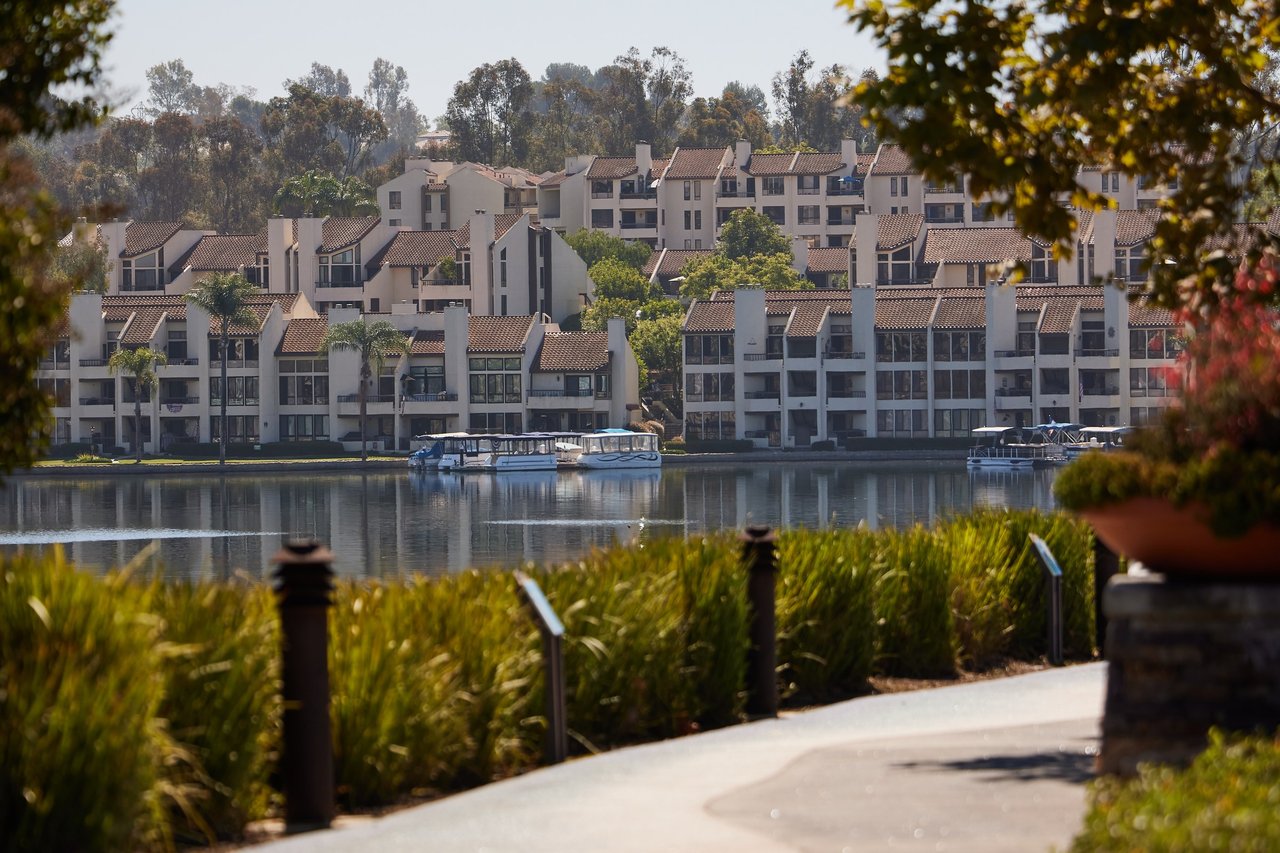
The city also gives you a broad lifestyle framework to work within. Official city materials describe Mission Viejo as a master-planned community built around Lake Mission Viejo, a large park and trail network, and direct access to I-5 and SR-241. If you like the city but need a different floorplan, maintenance level, or location within town, a local move can be a practical next step.
Mission Viejo housing options
Mission Viejo’s housing stock is mostly made up of one-unit homes. A city housing analysis in a 2025 planning packet shows roughly 72% one-unit detached homes, 13% one-unit attached homes, 4% two-to-four-unit properties, 5% five-to-19-unit properties, and 7% 20-plus-unit properties. The same packet says the state estimated 35,301 housing units in the city as of January 1, 2024.
That mix matters when you are matching a home to your next chapter. If you need more room, privacy, or flexible indoor-outdoor space, detached homes may give you the clearest path. If you want less exterior upkeep, attached homes, townhome-style properties, or smaller-lot options may line up better with your goals.
The city’s Housing Element also supports preserving and improving existing housing while providing a range of housing prices, unit types, and sizes. In real terms, that means Mission Viejo can support several kinds of internal moves, from upsizing to simplifying.
Match your home to your life stage
A smart move starts with the life change, not the listing. Before you focus on square footage or finishes, think about what has changed in your day-to-day routine.
Need more flexible space
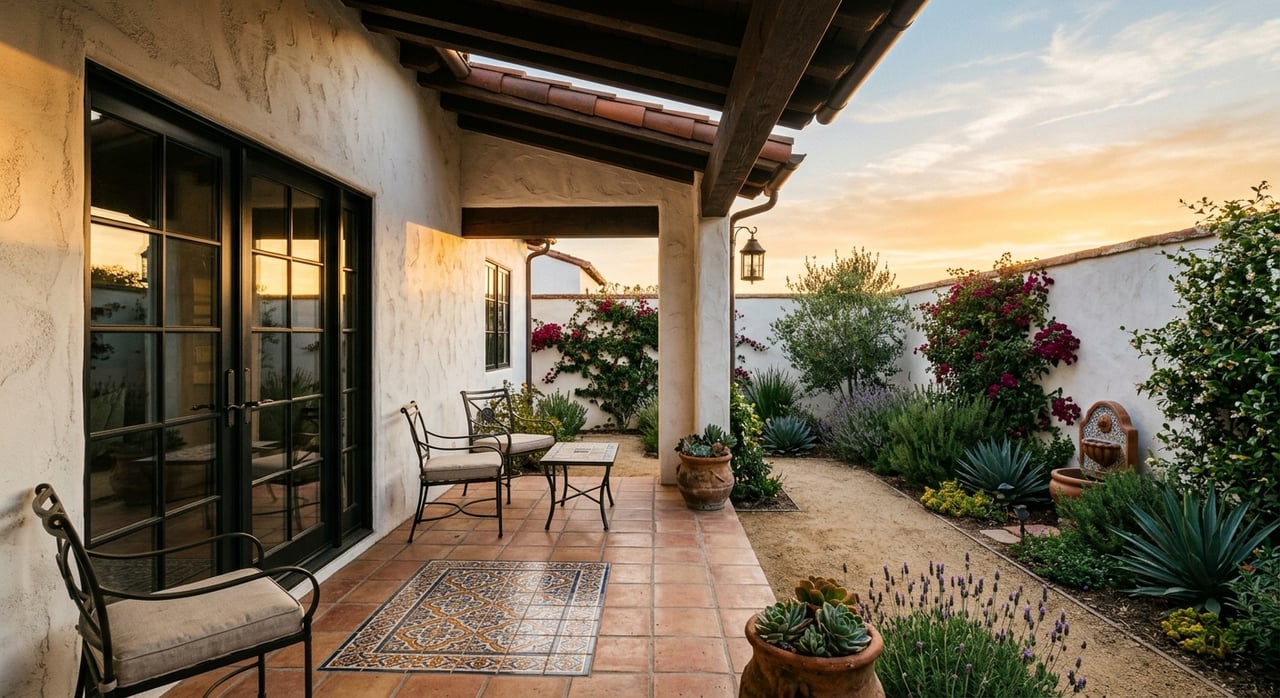
If your home feels tight, the issue may be layout as much as size. You may need an extra bedroom, a dedicated office, a first-floor room, or space that can adapt over time. In Mission Viejo, larger detached homes may offer the flexibility you want, and some properties may also better support a permitted addition or ADU.
The city’s planning framework explicitly aims to preserve and improve existing housing while accommodating varied unit types and sizes. That makes flexibility an important part of the local conversation. The right fit may be a bigger home, or it may be a property with more potential to change with you.
Want lower-maintenance living
Sometimes the goal is not more house. It is less work. If yard care, exterior upkeep, or the overall footprint of your current home feels like too much, attached homes or smaller-lot properties may be worth a closer look.
This is especially important in Mission Viejo because HOA rules and CC&Rs can shape what ownership looks like from day one. A lower-maintenance property may simplify your routine, but you will want to understand the tradeoffs, including dues, property rules, and what is covered.
Prioritize recreation access
If your next chapter is about using the city more fully, location inside Mission Viejo matters. The city identifies the 15-mile Mountains to Sea Trail, the 5.5-mile Oso Creek Trail, the 18.5-mile Aliso Creek Trail corridor, and a 3.1-mile loop around Lake Mission Viejo. The city also lists 55 parks and open-space locations.
That means a move of just a few miles can change how often you walk, bike, or spend time outdoors. If recreation is part of your daily routine, compare homes with the trail and park network in mind, not just the house itself.
Value easier regional access
Your next home may need to work better for life beyond Mission Viejo too. The city highlights access to I-5, SR-241, the Laguna Niguel/Mission Viejo Metrolink and Amtrak station, the Irvine Transportation Center, and John Wayne Airport.
If commute convenience or regional travel has become a bigger priority, a more efficient location inside the city may improve your routine without changing communities. In some cases, that tradeoff may matter more than a larger lot or extra yard space.
What to know about Lake Mission Viejo homes
Lake Mission Viejo is one of the city’s defining lifestyle features, but it is important to understand how membership works before you buy. Lake Mission Viejo is a private HOA, and membership can be tied to the property. Most, but not all, single-family homes and condominiums are part of or eligible for membership, and homes built in 1978 or later within the association boundaries generally come with membership attached to the property.
If you are considering a home connected to the lake, verify the details carefully. You should confirm HOA dues, CC&Rs, and whether lake membership transfers with title. Two homes in a similar area may offer very different ownership terms, so this is a key part of comparing options.
Should you remodel instead?
Not every life-stage change requires a move. If you like your location, your current home may still work with the right improvements.
Mission Viejo makes remodeling a realistic option. The city says a permit is required before work that constructs, enlarges, alters, repairs, moves, demolishes, or changes occupancy of a building or structure, and permits and inspections are handled through the online Client Self Service portal. The city’s ADU and JADU guide also says accessory units are reviewed ministerially through the building-permit process.
That can make an addition, conversion, or layout update a practical alternative to moving across town. The city also maintains housing rehabilitation and paint programs for existing homes, which reinforces that staying put and improving a property is a common local path.
A simple move-or-remodel framework
If you are unsure what to do next, start with the basics. Ask yourself these questions before you start touring homes or pricing a renovation:
- Can your current layout be solved with a permitted remodel?
- Do you need a different property type, not just more square footage?
- Would a smaller home reduce maintenance in a meaningful way?
- Do HOA rules limit what you can change where you live now?
- Would being closer to trails, parks, or the lake change how you use your time?
- Is easier access to I-5, SR-241, rail service, or the airport now more important?
If the answers point to a problem that renovation cannot solve, an internal move may be the cleaner solution. If your location still works and the issues are mostly about layout or function, staying put may deserve a closer look.
How to plan a smart local move
A move within Mission Viejo can feel deceptively simple because you already know the city. In reality, it still helps to have a clear plan.
Start with your real goal
Your next home should support how you actually live now. Focus on the problem you are trying to solve, whether that is space, upkeep, recreation access, or commute efficiency. Once that goal is clear, your home search gets much sharper.
Compare property types honestly
Detached homes, attached homes, and lake-area properties can offer very different ownership experiences. Look beyond price and square footage. Pay attention to maintenance demands, HOA structure, and how flexible the property will be over time.
Review constraints early
If you are deciding between staying and moving, gather the facts up front. For your current home, review what the city requires for permits and whether your property could support the changes you want. For your next home, verify HOA obligations, CC&Rs, and any lake membership details before you get too far down the road.
Think about the next chapter too
A good move should fit both your current needs and your near-future ones. If you expect your routine to change again in a few years, flexibility matters. The best local move is often the one that gives you room to grow or simplify without another quick transition.
If you are weighing a move within Mission Viejo, the right answer is usually less about leaving one home and more about stepping into a better fit for your next season of life. With a stable ownership base, a mostly one-unit housing stock, strong trail and park access, and realistic remodel pathways, Mission Viejo gives you more than one good option. If you want a clear plan for what to sell, what to buy, or whether staying put makes more sense, The Darren Shepherd Team can help you map out the next move with local insight that matters.
FAQs
What makes moving within Mission Viejo different from moving to a new city?
- Mission Viejo has a stable ownership base, with 77.5% owner-occupied homes and 91.8% of residents living in the same home one year ago, so many local moves are about life-stage changes rather than leaving the area.
What types of homes are most common in Mission Viejo?
- A city housing analysis shows Mission Viejo is mostly made up of one-unit homes, including about 72% one-unit detached and 13% one-unit attached properties.
What should you check before buying a Lake Mission Viejo home?
- You should verify HOA dues, CC&Rs, and whether Lake Mission Viejo membership transfers with title, because the lake is a private HOA and membership can be property-specific.
Can you add space instead of moving in Mission Viejo?
- In some cases, yes. The city requires permits for many types of construction and alteration work, and its ADU and JADU guidance says accessory units are reviewed ministerially through the building-permit process.
How do Mission Viejo trails and parks affect a move decision?
- The city’s extensive recreation network, including major trail corridors, a 3.1-mile lake loop, and 55 parks and open-space locations, can make location within the city a major lifestyle factor.
How does commute access factor into moving within Mission Viejo?
- Mission Viejo offers access to I-5, SR-241, the Laguna Niguel/Mission Viejo rail station, the Irvine Transportation Center, and John Wayne Airport, so a move across town may improve your daily travel routine even if you stay in the same city.