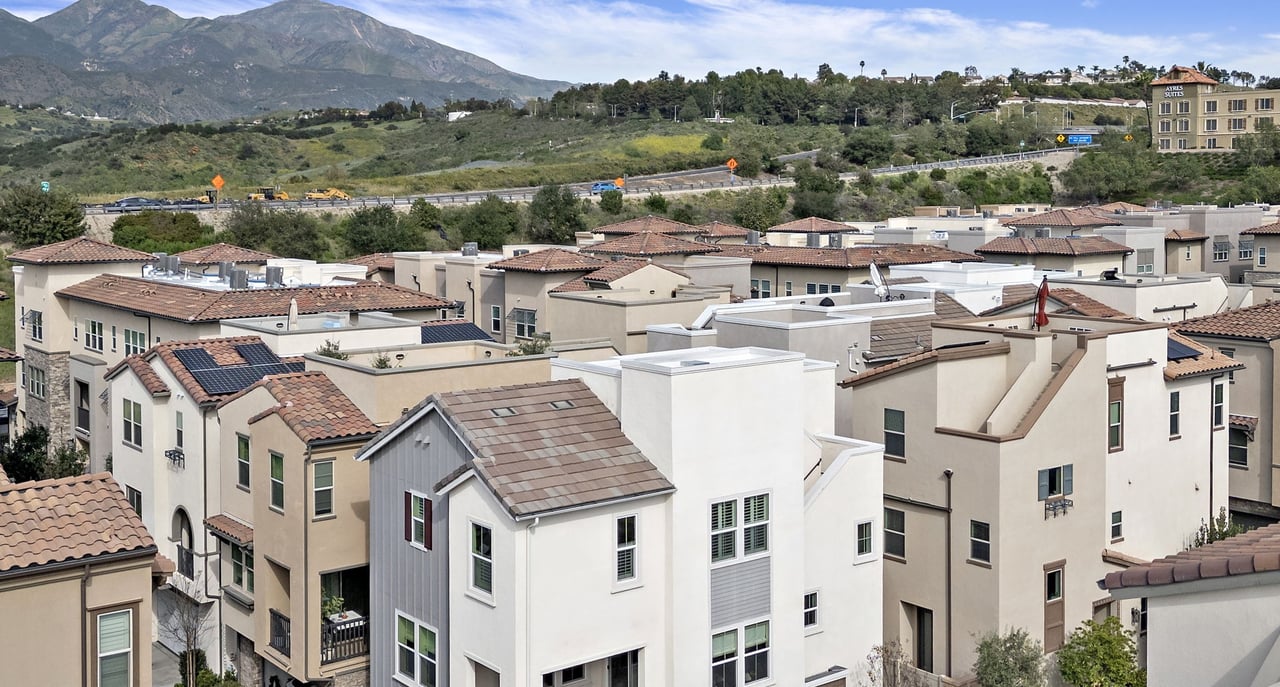
Thinking about selling your Mission Viejo home with solar on the roof? You are not alone. Many local owners want to know if panels will help them net more and sell faster, especially with changing utility rules in California. In this guide, you will learn what adds value, what can hold a sale back, and how to prep the right documents so buyers and appraisers can see the benefit clearly. Let’s dive in.
Owned vs leased: what buyers pay for
If you own your solar system outright, you usually stand to gain. Multiple market studies, including work from Lawrence Berkeley National Laboratory, show that owned residential solar often correlates with higher sale prices in many U.S. markets. Buyers can see the future bill savings and are more willing to pay for it when the data is clear.
Leased or PPA systems typically add less value. A buyer may need to assume the contract or you might need to buy it out, which adds friction. Some lenders also treat lease payments like a debt-like obligation, which can affect buyer qualification. Clear, early disclosure is key if your system is leased.
Why Mission Viejo’s market responds to solar
Local utility economics matter. Southern California Edison serves Mission Viejo, and California has some of the highest residential electricity rates in the country. That means on-site generation can offset meaningful monthly costs compared to many other states.
Time-of-use rates are now common. Many plans charge more in late afternoon and evening. Solar can still help, but the timing of your production and consumption matters more than it used to. Systems that are well sized and paired with smart usage patterns tend to perform better.
NEM 3.0 and buyer expectations
California’s net energy metering rules have changed. The CPUC’s successor tariff, often called NEM 3.0, reduces what new customers earn for exporting excess energy back to the grid compared to older programs. For resale, that means:
- Systems installed under earlier net-metering terms can have stronger ongoing economics for the current owner.
- New owners and new systems should be evaluated under the tariff in effect at installation or transfer.
- Buyers now lean more on verified production data and recent bills rather than generic savings claims.
What actually drives value
A solar system’s resale value is not just about panels on a roof. Buyers and appraisers look for:
- Ownership status. Owned systems are simpler to value. Leased/PPA systems can complicate a sale.
- Size and performance. A right-sized, unshaded system with strong production and orientation is more compelling.
- Age and components. Newer inverters, transferable warranties, and documented maintenance build confidence.
- Proof and paperwork. At least 12 months of production data and recent utility bills help quantify savings.
- Battery backup. In areas where resiliency matters, a battery can be a differentiator. It may improve marketability, even if appraised value varies.
How appraisers and lenders treat solar
Appraisers commonly use three approaches when valuing residential PV:
- Sales comparison. They make adjustments using comparable sales with owned solar. This is most straightforward when solid comps exist.
- Cost approach. They estimate the replacement cost of the system, less depreciation, and add that to the property value.
- Income approach. They calculate the present value of future energy savings using production and local rate data. This requires credible, detailed documentation.
Lenders treat ownership and contracts differently. Owned systems that are permanently affixed are usually treated as part of the real property. Solar loans or leases can affect buyer qualification, and lease payments may count toward debt-to-income. If your system is leased or financed, encourage prospective buyers to consult their lender early.
Seller checklist: documents to gather
You will sell the value better, and faster, with a clean file. Pull these items together before you list:
- Proof of ownership or loan documents. Paid-in-full receipt, invoice showing transfer, or recorded financing paperwork.
- Lease/PPA contract if applicable. Include buyout terms, transfer steps, and the lessor’s contact details.
- Permits and final inspection. City or county permit closure or sign-off for the PV installation.
- Interconnection agreement. Your utility approval and any net-metering or credit statements from SCE.
- Production data. At least 12 months, ideally 24 months, of monthly kWh from your monitoring portal.
- Utility bills. The last 12 months showing offsets and net charges to demonstrate real dollar savings.
- Equipment list. Panel brand/model, inverter brand/model and serials, DC nameplate kW, inverter AC kW, battery capacity if present, and installation year.
- Warranties and maintenance. Panel, inverter, battery warranties and any service records, including roof penetrations if relevant.
- Incentive records. Any ITC or rebates claimed and confirmation of no outstanding liens related to incentives.
- HOA approvals. If your property is subject to HOA oversight, include documentation.
How to present solar in your listing
Keep it simple and verifiable. Your goal is to help buyers and appraisers understand benefits in minutes, not hours.
- State ownership clearly. “Owned,” “Financed,” or “Lease/PPA with assumption path.”
- Share capacity and age. List AC system size (kW) and year installed.
- Show annual production and savings. Provide last 12 months of kWh output and estimated bill offset with supporting bills.
- Include monitoring evidence. Screenshots or a PDF export from your monitoring portal.
- Highlight warranties. Note what transfers and how many years remain on panels, inverters, and batteries.
- Feature battery backup if applicable. Note usable kWh and which circuits it supports if documented.
- Confirm permits and sign-off. Make it clear everything was installed professionally and approved.
- Provide installer info. This reassures buyers and supports post-sale questions.
Common scenarios and what to do
- Owned, paid-off system. Gather production data, recent bills, warranties, permits, and interconnection documents. This is the most marketable scenario and often commands a premium.
- Owned, financed system. Disclose the financing terms and whether there is a lien. Clarify how the loan will be handled at closing.
- Leased or PPA system. Share the full contract, buyout number, transfer steps, and lessor contact. Start the transfer process early to avoid delays. Expect less price premium than an owned system.
- Older system with aging components. Consider replacing the inverter if it is near end-of-life and confirm warranty status. Clean documentation can prevent buyers from viewing it as a deferred maintenance item.
Pricing and marketing tips for Mission Viejo
- Lead with numbers that matter. Annual kWh production and last 12 months of bills tell the clearest story.
- Explain TOU context simply. If your plan has higher evening rates, show how your system still reduces the overall bill.
- Emphasize resiliency if you have a battery. Explain what it powers during outages, with documentation to match.
- Use plain language. Avoid technical jargon. Buyers want clarity, not complexity.
As your local advisor, we can package your solar story the right way. From organizing documents to positioning your listing for the widest buyer pool, we make it easy to present verified value and avoid surprises at appraisal or loan underwriting.
Bottom line
Yes, solar can boost resale value in Mission Viejo, especially when it is owned, well documented, and sized to offset real usage. The strongest results come from clear proof of performance, transferable warranties, and clean permits. Leased or PPA systems can still sell, but they require careful disclosure and often add less price premium.
If you want a straightforward plan to maximize your sale with solar, connect with us. We will prepare a valuation, organize your solar file, and outline the best path to market, including fast options when timing matters. Talk with The Darren Shepherd Team to get a local plan that fits your goals.
FAQs
Do solar panels increase resale value in Mission Viejo?
- Owned systems often correlate with higher sale prices because buyers can see future bill savings, while leased systems add less value and can add friction.
How does NEM 3.0 affect a home sale with solar?
- Newer systems and new owners are subject to current export credit rules, which can reduce grid credit value, so buyers weigh verified production and bill data more heavily.
What documents should I gather before listing a home with solar?
- Collect proof of ownership or lease, permits and final inspection, interconnection agreement, 12 to 24 months of production data, recent utility bills, equipment specs, warranties, and maintenance records.
Will a solar lease impact buyer financing in Orange County?
- It can; some lenders treat lease payments like a debt-like obligation, so buyers should consult their lender early to confirm how it affects qualification.
Does a battery system add resale value in Mission Viejo?
- A battery can improve appeal by offering resiliency during outages, though appraisal treatment varies; clear documentation of capacity and use helps.
Can older solar systems reduce my home’s value?
- If equipment is near end-of-life and lacks warranties or documentation, buyers may view it like deferred maintenance; refreshing components or records can help.