Trying to choose between an HOA home and a non-HOA home in Mission Viejo? You are not alone. Many buyers assume the city is either mostly HOA or mostly non-HOA, but the reality is more layered, and that can affect your monthly costs, your lifestyle, and your day-to-day flexibility. This guide breaks down how Mission Viejo’s HOA structure works, what fees may include, and how to tell which setup fits your goals. Let’s dive in.
Mission Viejo Is a Mixed Market
Mission Viejo is best understood as a mixed market. Some homes are part of a homeowners association, some are not, and some properties may be tied to more than one association structure.
A big reason for confusion is that “HOA” in Mission Viejo can mean different things. It may refer to the Lake Mission Viejo Association, a neighborhood sub-association, or both. That is why two homes in the same general area can have very different fee structures and rules.
The City of Mission Viejo offers a GIS tool that lets you check HOA status by address. The city also notes that GIS information should be verified directly before you rely on it, which makes address-level confirmation an important step.
Understanding Lake Mission Viejo Association
For many buyers, the first HOA-style layer to understand is the Lake Mission Viejo Association, often shortened to LMVA. According to the association, most, but not all, single-family homes and condos in Mission Viejo are part of the association or eligible for membership.
LMVA membership is tied to the property and transfers with the sale. Homes built in 1978 or later within LMVA boundaries come with membership already attached, while some pre-1978 homes were originally invited rather than required to join.
That detail matters because a home can be marketed as having no neighborhood HOA but still have Lake Mission Viejo membership. If you only look at the listing headline, you could miss part of the cost picture.
What LMVA Fees Look Like
LMVA states that the 2026 Lake Mission Viejo Assessment is $193 due January 1 and July 1, for a total of about $386 per year. The association also lists several one-time or transaction-related fees.
These can include:
- A $100 orientation fee for eligible homes first joining the lake
- A $300 new-owner transfer fee
- A $75 tenant transfer fee
Those charges are separate from any neighborhood sub-HOA dues. In other words, one property could have annual lake dues plus monthly neighborhood HOA dues.
What HOA Dues May Cover
One of the biggest differences between HOA and non-HOA ownership is what your recurring cost may include. In Mission Viejo, dues can pay for amenities, shared maintenance, and in some cases certain utilities or exterior upkeep.
Recent listing examples in the city show a wide range of HOA costs. Some single-family homes have relatively modest monthly HOA dues plus separate Lake Mission Viejo dues, while some higher-service communities have much larger monthly totals.
That range is exactly why you should avoid asking only, “What is the monthly HOA?” A better question is, “What is the total annual cost, and what does it actually cover?”
Amenities That May Come With HOA Living
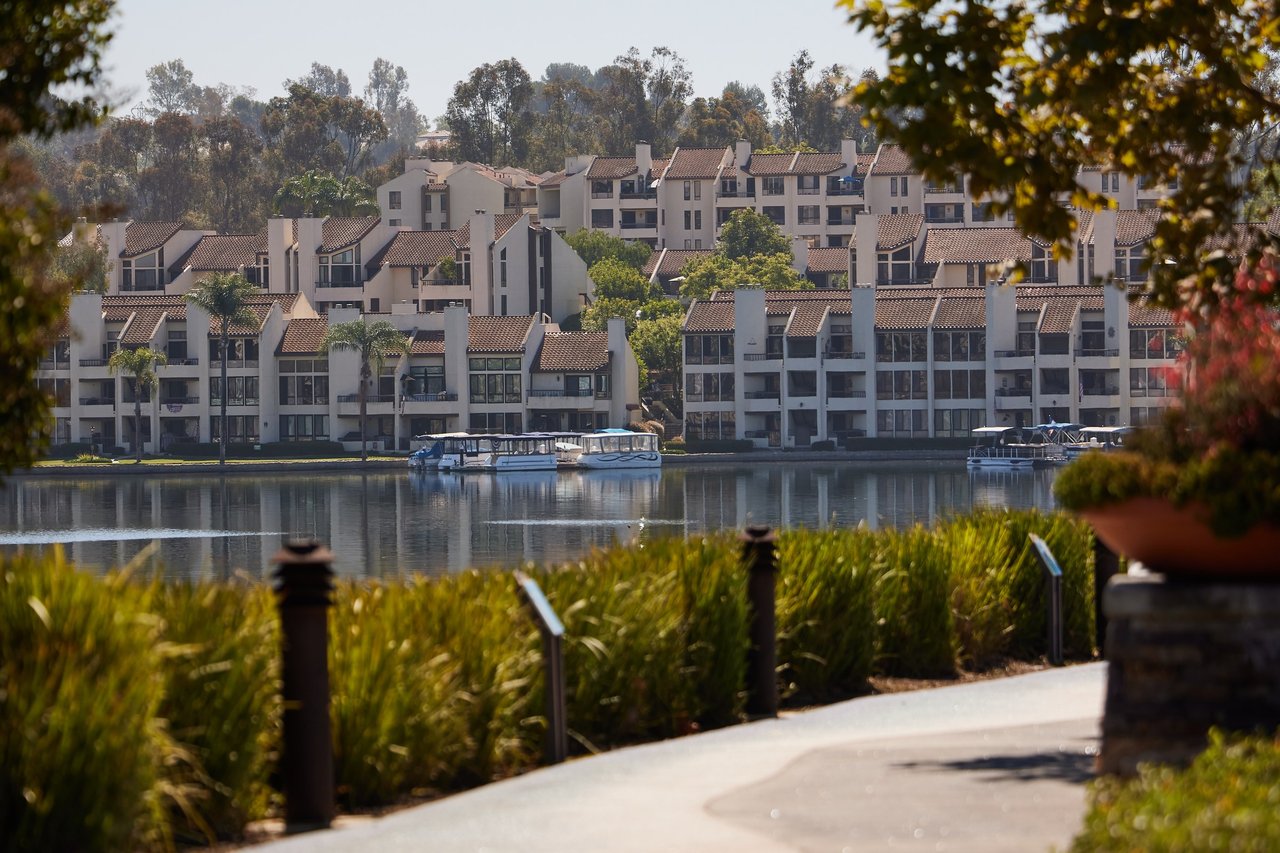
For many Mission Viejo owners, the biggest draw is access to Lake Mission Viejo amenities. LMVA describes a substantial amenity package that includes:
- A private lake of about 125 surface acres
- Two swimming beaches
- A marina
- Fishing
- A grassy park with picnic tables and barbecue grills
- A clubhouse
- Concerts and special events for members and invited guests
Some neighborhood associations add more features on top of that. Depending on the community, buyers may see amenities such as pools, spas, clubhouses, fitness facilities, walking trails, or court sports.
Maintenance and Service Differences
HOA dues are not just about recreation. They can also help cover items like exterior maintenance, shared common areas, trash, or water, depending on the community and the governing documents.
The California Department of Real Estate notes that maintenance responsibilities can vary by project. In some communities, the HOA may handle certain exterior elements, while in others those responsibilities may be split between the owner and the association.
That means the fee itself is only part of the story. You also need to know what the HOA maintains and what remains your responsibility.
What Non-HOA Ownership Means
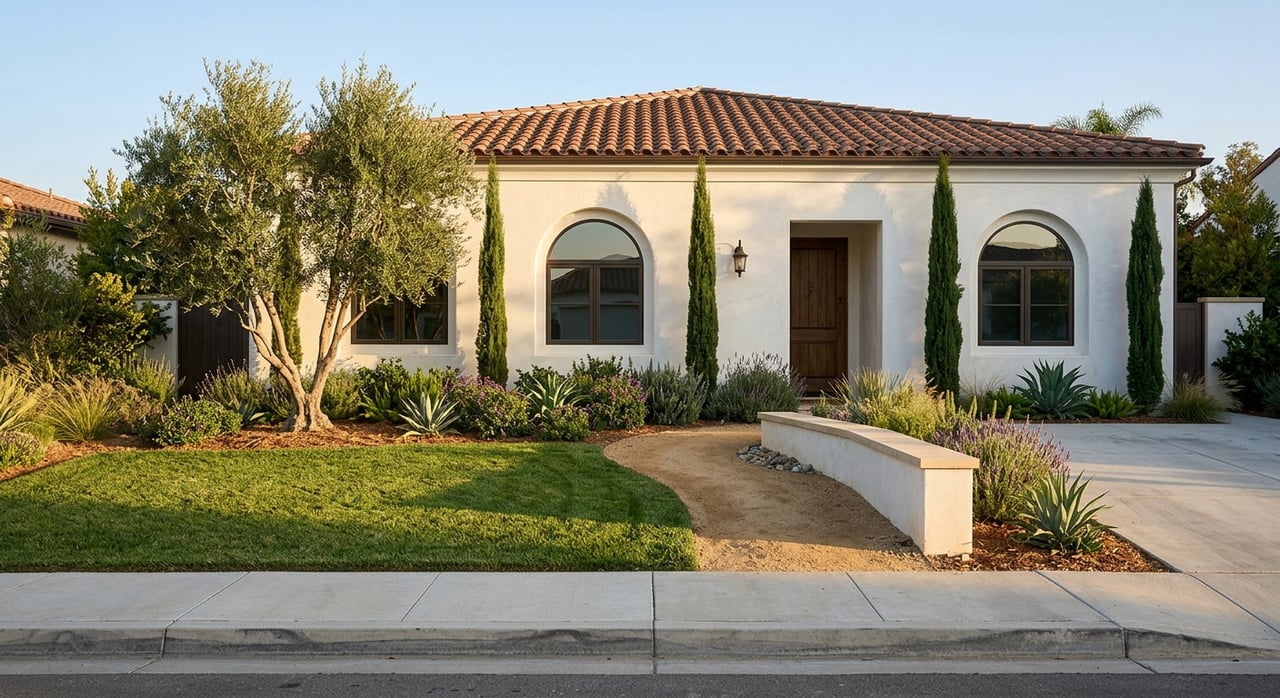
Mission Viejo does have non-HOA parcels. City planning materials include cases where staff specifically noted that a property was not located within a homeowners association, and current market inventory also shows homes being offered without neighborhood HOA dues.
For some buyers, that is appealing right away. A non-HOA home often means fewer private rules and no recurring neighborhood association fee.
But non-HOA does not mean no rules. Mission Viejo’s city code still applies, including nuisance standards, zoning rules, permits, setbacks, and rules around uses such as home occupations.
What You May Gain With Non-HOA Living
A non-HOA home may appeal to you if you want:
- More owner control
- Fewer private restrictions
- No mandatory neighborhood dues
- Simpler ongoing carrying costs
That said, the tradeoff is that you usually give up bundled amenities and shared upkeep that may come with HOA communities.
HOA vs Non-HOA in Mission Viejo
The best choice often comes down to your priorities, not a universal right answer. Some buyers love the structure, amenities, and maintenance support that can come with HOA living. Others would rather keep costs lower and maintain more flexibility.
Here is a simple way to compare the two:
Factor | HOA Home | Non-HOA Home |
|---|---|---|
Recurring fees | May include monthly, quarterly, or semiannual dues | Typically no neighborhood HOA dues |
Amenities | May include lake access, beaches, pools, clubhouses, gates, or shared recreation | Usually no private association amenities |
Maintenance | Some exterior or common-area upkeep may be shared | More upkeep is typically your responsibility |
Rules | Subject to HOA rules and governing documents | Subject to city rules, permits, zoning, and nuisance code |
Flexibility | May be more limited depending on CC&Rs | Often more owner discretion |
Why Address-Level Verification Matters
In Mission Viejo, you should verify HOA status by address, not just by neighborhood name or listing language. That is one of the most important takeaways for buyers here.
The city’s GIS tool can show HOA status by parcel, and Lake Mission Viejo says buyers should contact its membership office to confirm whether a specific address is a member property or eligible for membership. This matters because some listings may describe a home as “no HOA” while still mentioning Lake Mission Viejo membership or another fee.
A quick check early in your search can help you avoid surprises later.
Smart Questions to Ask Before You Buy
If you are comparing Mission Viejo homes, here is a practical checklist to use before you write an offer:
- Is the property in LMVA, a sub-HOA, both, or neither?
- What are the total annual dues, not just the monthly amount?
- Are there quarterly, semiannual, or transfer-related fees?
- What do the dues actually cover?
- Are water, trash, exterior maintenance, or common areas included?
- What amenities come with the property?
- Can you review the CC&Rs, budget, and reserve disclosures?
- What maintenance remains the owner’s responsibility?
These questions help you compare homes more accurately. They also help you match the property to how you actually plan to live.
Remember the City Offers Amenities Too
Even if you buy a non-HOA home, Mission Viejo still offers public amenities outside of any association structure. The city says residents have access to 55 parks and open space areas, trails, recreation centers, and rentable facilities.
That is worth keeping in mind if you are leaning away from HOA fees but still want access to outdoor spaces and recreation options. Private amenities and public amenities are not the same thing, but both can shape your day-to-day experience.
The Bottom Line for Mission Viejo Buyers
If you are buying in Mission Viejo, the HOA vs non-HOA question is really a cost, lifestyle, and control question. You are not just comparing dues versus no dues. You are comparing bundled amenities, maintenance responsibilities, private rules, and how much flexibility you want as an owner.
Here’s the plan: verify the address, annualize every fee, and read the governing documents before you make a decision. That kind of local due diligence can make a big difference in choosing a home that truly fits your goals.
If you want help comparing Mission Viejo neighborhoods, reviewing HOA structures, or finding the right fit for your budget and lifestyle, connect with The Darren Shepherd Team.
FAQs
How can you verify whether a Mission Viejo home has an HOA?
- Use the City of Mission Viejo GIS tool to check HOA status by address, then verify directly with the relevant association before relying on the result.
Can a Mission Viejo home be non-HOA and still have Lake Mission Viejo membership?
- Yes. Some properties may be described as having no neighborhood HOA while still being part of Lake Mission Viejo Association or eligible for membership, so you should confirm by address.
What are Lake Mission Viejo Association dues in 2026?
- LMVA states that the 2026 assessment is $193 due January 1 and $193 due July 1, for a total of about $386 per year.
What should Mission Viejo buyers ask for when reviewing an HOA home?
- Ask whether the property is in LMVA, a sub-HOA, both, or neither, and request the CC&Rs, budget, reserve disclosures, and any transfer or orientation fees.
Does a non-HOA home in Mission Viejo have fewer rules?
- A non-HOA home may have fewer private association restrictions, but it is still subject to Mission Viejo city code, zoning rules, permits, setbacks, and nuisance standards.