Is your commute shaping your home search more than you expected? In San Juan Capistrano, access to Metrolink, Amtrak, I‑5, and Ortega Highway can change your daily routine and your resale story. If you are weighing rail versus road, you are not alone. In this guide, you will learn how transportation access influences demand by micro-location, the tradeoffs to consider, and what to watch as service evolves. Let’s dive in.
Why transit access matters here
San Juan Capistrano sits at a rare multimodal hub for South Orange County. You have a historic, walkable downtown with a rail station that serves both Metrolink commuter lines and the Amtrak Pacific Surfliner, plus fast connections to I‑5 and Ortega Highway. That blend expands your job market reach and can make door-to-door times more predictable than driving alone during peak hours.
For many buyers, the key value is predictability. I‑5 congestion and Ortega’s variable travel times push some commuters to rail for consistency. When rail schedules line up with your workday and you have reliable first and last mile options, proximity can become a real advantage.
Your rail options at a glance
- Metrolink: Weekday-focused commuter service that connects San Juan Capistrano to Los Angeles and inland Orange County. Check current Metrolink timetables and station information to see if departure and return times match your workday.
- Amtrak Pacific Surfliner: Intercity service along the coast with different stop patterns and priorities than Metrolink. Review Pacific Surfliner schedules and stops if you need regional flexibility.
- First and last mile: Local bus connections and regional transit tools from OCTA help expand the effective station catchment beyond walking distance. Safe bike routes and drop-off zones also matter if you plan to combine modes.
Highways that shape daily travel
- I‑5: The primary north–south freeway through the OC coast. It offers direct access to Irvine, Costa Mesa, and beyond, but peak-hour congestion is common. Homes with quick access to I‑5 interchanges are popular with car commuters.
- Ortega Highway (SR‑74): A two-lane east–west route to Riverside County. It provides a direct inland link but has limited capacity and more variable travel times. Proximity can be valuable if your job sits east of the city and you accept those tradeoffs.
Micro-locations that gain the most
Downtown and Mission District
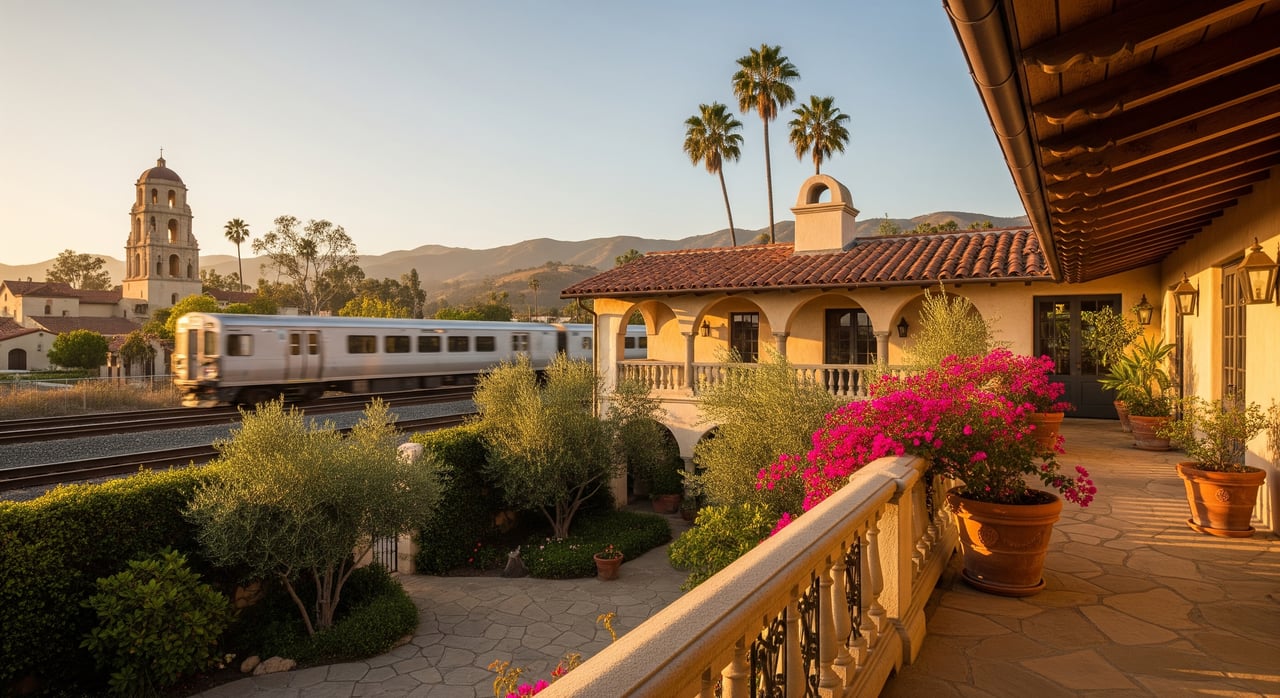
Properties within a comfortable walk of the San Juan Capistrano station often attract buyers who want the flexibility of rail plus downtown amenities. You can stroll to dining and historic attractions, then catch Metrolink or Amtrak for regional trips. This convenience is especially appealing if you prefer to drive less or you split your time between local and regional work.
- Advantages: Walkable rail access, downtown lifestyle, and broader travel options.
- Tradeoffs: Historic preservation rules can limit renovations and expansions. Homes very close to tracks may experience more noise.
Forster Ranch and I‑5–adjacent neighborhoods
These areas draw car-first commuters who want quick on-ramps and predictable freeway access. They also work well for hybrid commuters who drive to the station, park, and take rail on busy days. If the station’s parking is convenient for your routine, you can keep options open week to week.
- Advantages: Short I‑5 access and flexibility to combine driving with rail.
- Tradeoffs: Freeway noise may affect properties closest to I‑5.
Ortega Highway corridor zones
If your job sits inland, living near SR‑74 can trim your minutes behind the wheel. Still, travel times are more variable than I‑5 or rail. Some buyers prefer the scenery and direct routing. Others prefer the reliability of rail or I‑5, especially during peak periods.
- Advantages: Direct inland link for commuting.
- Tradeoffs: Variable travel times and limited passing capacity during busy seasons.
Areas with strong first and last mile connections
Neighborhoods linked by safe bike lanes, shuttles, or frequent buses effectively “extend” the station’s walkable reach. A 10-minute bike ride or a reliable bus can turn a non-walkable address into a rail-friendly one. Look for sidewalks, protected crossings, and consistent transit headways in your daily windows.
When proximity does not equal advantage
- Homes immediately next to the tracks or busy grade crossings may see noise and vibration outweigh benefits for noise-sensitive buyers.
- Areas with steep or disconnected walking routes to the station might not capture the value of proximity, even if the map distance looks close.
- Locations with strict preservation or limited parking may have less upside from future transit improvements if expansion is not feasible.
How rail access affects demand
Academic research and regional case studies tend to show a positive link between proximity to rail and property values, with the size of the effect varying by service frequency, station quality, and neighborhood walkability. In Southern California, where freeway congestion is a daily factor, rail access often shows resilience in buyer interest. Your results will depend on how well schedules and first and last mile options line up with your lifestyle.
Buyer profiles and best fits
Daily commuter seeking predictability
- Best fit: Downtown or station-adjacent areas, or neighborhoods with easy station parking.
- Why: Consistent door-to-door times and options if traffic spikes.
Hybrid commuter who mixes driving and rail
- Best fit: Forster Ranch and I‑5–adjacent neighborhoods with quick on-ramps and a straightforward station drive.
- Why: Flexibility to choose rail on heavy traffic days.
Relocation buyer who values lifestyle
- Best fit: Downtown and Mission District for walkability, dining, and Amtrak access.
- Why: Easy regional trips, less reliance on the car, and a vibrant core.
Occasional traveler or retiree
- Best fit: Station-walkable locations for convenience without daily commute pressure.
- Why: Intercity travel remains simple without managing rush-hour traffic.
Checklist: test a home’s commute fit
Use this quick process before you commit:
- Match schedules to your life
- Confirm weekday arrival and departure times on Metrolink and Pacific Surfliner.
- Look at both AM and PM peaks for your exact workdays.
- Verify station access and parking
- Check permit availability, lot capacity, and morning arrival times.
- Confirm bike storage and drop-off zones. Review local options through OCTA if you will use bus connections.
- Measure door-to-door reliability
- Compare peak-hour drive times on I‑5 and SR‑74 with rail, including first and last mile.
- Repeat on multiple weekdays to see patterns.
- Walk the noise line
- Visit the property during early morning and evening commute windows.
- Stand near the lot line and open windows to gauge train or freeway noise.
- Review local rules
- If you plan future improvements or an accessory unit, review zoning and preservation guidelines with the City of San Juan Capistrano.
Tips for sellers near transit
- Lead with practical commute details. Instead of “close to transit,” show how a typical weekday works: schedule alignment, parking access, and door-to-door timing.
- Address common concerns. Disclose noise realities and any grade crossing patterns buyers often ask about.
- Stage for the rail lifestyle. Highlight bike storage, a dedicated work-from-home space, or a mudroom that fits a commuter’s routine.
- Consider speed-based options. If timing matters, programs like Compass Concierge for prep and a Guaranteed Cash Offer can streamline your path to market and closing.
What to watch next
- Corridor improvements. The LOSSAN Corridor Agency and Caltrans pursue long-term upgrades that can improve reliability and capacity. Better reliability tends to raise the value of station proximity.
- Potential service changes. Metrolink and regional partners sometimes adjust frequencies and station amenities over multi-year horizons. Monitor official updates from Metrolink.
- Local access upgrades. Better sidewalks, bike lanes, or shuttle links from OCTA can expand the station’s practical reach.
- Zoning or preservation updates. Changes to downtown streetscapes or parking rules from the City of San Juan Capistrano can influence how much value households place on walk-to-rail locations.
Bottom line
In San Juan Capistrano, rail access and highway connectivity shape demand by block, not just by ZIP code. If schedules and first and last mile access fit your life, homes near the station and walkable downtown often deliver a real advantage. If you drive most days, quick I‑5 access or a strong hybrid setup can make your commute predictable and give you options when traffic spikes.
When you are ready to make a move, we will help you measure real door-to-door times, position your home’s transit strengths, and navigate local rules with confidence. Connect with the Shepherd Real Estate Team to map your best-fit micro-location or to Get Your Free Home Valuation.
FAQs
How does rail access impact home demand in San Juan Capistrano?
- Proximity to the station can boost buyer interest where schedules align with workdays and walkability or bus links make rail practical. The effect varies by distance, noise exposure, and amenities.
Is Metrolink frequent enough for daily commuting from San Juan Capistrano?
- It can be for many commuters, especially on weekdays, but you should confirm current departure and return times on the official Metrolink site to ensure schedule fit.
Does living near the tracks reduce home value due to noise?
- Homes immediately next to active tracks or crossings can experience noise and vibration that some buyers avoid. Setbacks, landscaping, and distance often soften impacts, so evaluate in person.
What neighborhoods work best for hybrid commuting by car and rail?
- Forster Ranch and other I‑5–adjacent areas often suit drivers who want quick freeway access and an easy drive to station parking for rail on heavy traffic days.
How does Ortega Highway access affect buyer interest?
- Ortega provides a direct inland route that some commuters value, though travel times are more variable. Buyers often weigh SR‑74 proximity against the reliability of I‑5 or rail.
What future projects could change the value of station proximity?
- Reliability upgrades from the LOSSAN Corridor Agency, potential Metrolink service adjustments, and local access improvements via OCTA can all influence future demand.